

Kitchen Renovation Cost Guide for Edmonton & Surrounding Communities
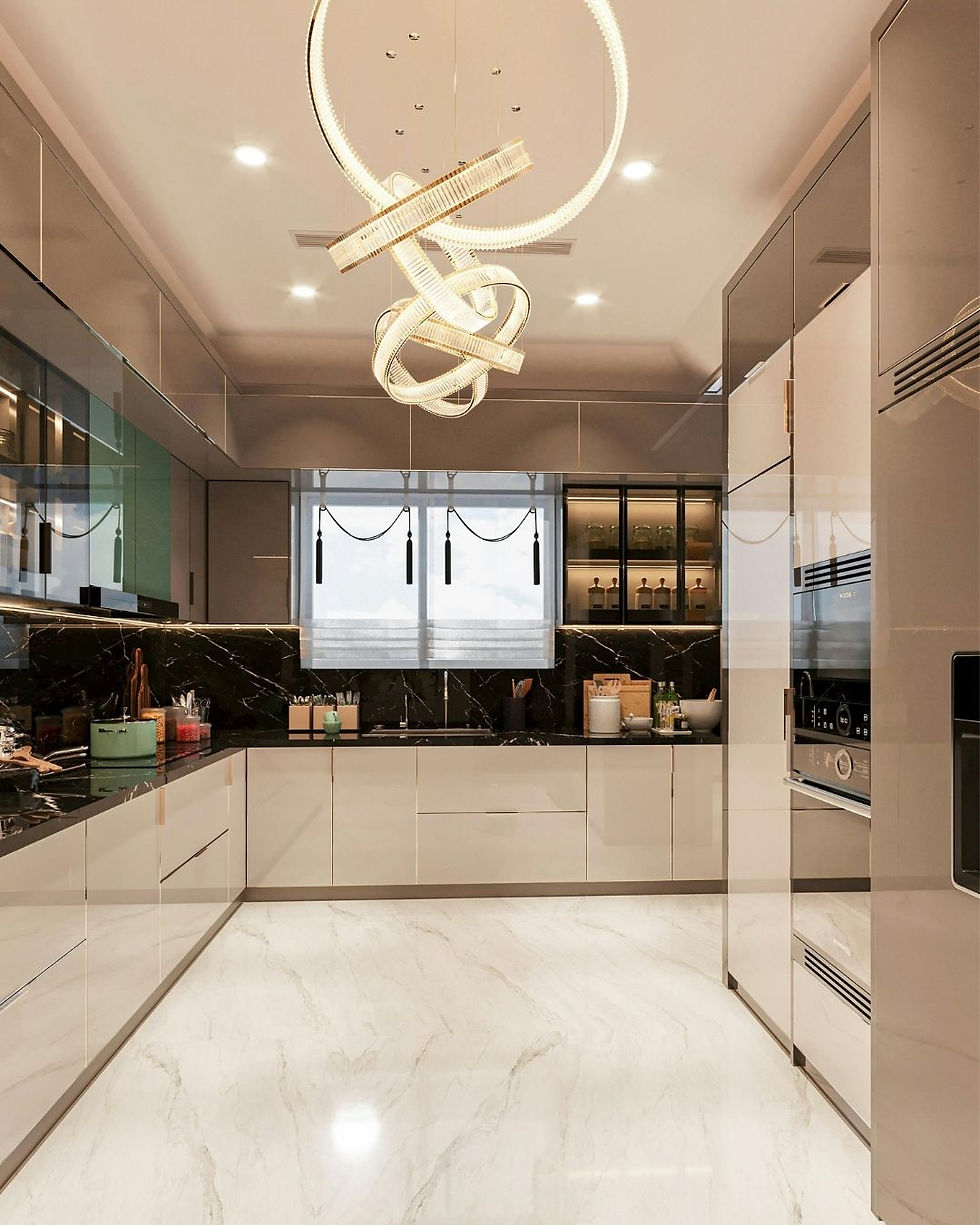
Kitchen renovation costs in Edmonton vary widely, but the range becomes more predictable when you factor in neighborhood, home size, and level of customization. In communities such as Summerside and Windermere, projects tend to sit at the higher end of the market due to larger layouts, open-concept designs, and a stronger emphasis on premium finishes and integrated living spaces.
Most homeowners in these areas are not simply updating a kitchen—they are investing in a space that supports entertaining, daily routines, and long-term property value. As a result, understanding cost structure before starting is essential.
Average Kitchen Renovation Costs in Edmonton
Kitchen renovation pricing in Edmonton can generally be grouped into three tiers. While these ranges are useful benchmarks, actual costs depend on layout complexity, material selection, and labour.
Basic updates: $10,000 – $25,000
Mid-range renovations: $25,000 – $55,000
High-end or custom kitchens: $55,000 – $100,000+
In higher-value neighborhoods like Summerside and Windermere, most projects fall between $30,000 and $70,000+, particularly when custom cabinetry or layout modifications are involved. Larger kitchens naturally increase both material and labour requirements, pushing costs upward.
Why Costs Are Higher in Summerside and Windermere
Homes in these communities are typically designed with larger kitchens that function as central gathering spaces. This shifts renovation priorities from simple upgrades to more comprehensive design solutions.
Common characteristics include:
Open-concept layouts connected to living and dining areas
Larger kitchen footprints requiring more cabinetry and surfaces
Higher expectations for finishes, lighting, and detail work
Integration of storage, seating, and entertaining features
Because of this, renovations often involve more than cosmetic improvements. They focus on flow, usability, and long-term durability, which increases both scope and cost.
What Actually Drives Kitchen Renovation Costs
While many elements contribute to the final budget, a few key components consistently have the greatest impact.
Cabinetry

Cabinets are typically the largest single expense, often accounting for 30–40% of the total project cost. The choice between stock, semi-custom, and custom cabinetry significantly affects pricing.
Stock cabinets offer affordability but limited flexibility
Semi-custom provides a balance of cost and personalization
Custom cabinetry delivers full control over layout, storage, and design
In higher-end Edmonton homes, custom cabinetry is often preferred because it allows the kitchen to be built around the homeowner’s exact needs.
Countertops and Materials
Material selection plays a major role in both cost and performance. While laminate options remain budget-friendly, most homeowners in Summerside and Windermere opt for more durable surfaces.
Quartz is the most common choice due to durability and low maintenance
Natural stone offers a premium look but comes at a higher cost
Material selection also affects long-term wear and maintenance
The key consideration is not just appearance, but how materials perform under daily use.
Layout Changes
One of the most underestimated cost drivers is layout modification. Moving plumbing, electrical, or gas lines can significantly increase project costs.
Even minor adjustments can add several thousand dollars, depending on complexity. This is why many renovation decisions should begin with layout evaluation before selecting finishes.
Labour and Market Conditions
Labour costs in Edmonton continue to rise due to demand, material pricing, and construction trends. Skilled trades, installation quality, and project management all contribute to the final cost.
Planning early is critical. Securing a contractor in advance can help stabilize pricing and ensure better scheduling.
Refacing vs. Remodeling: Understanding the Difference
Not every kitchen requires a full renovation. In some cases, refacing offers a practical alternative—but only under the right conditions.
Kitchen Refacing
Refacing focuses on updating the visible elements of the kitchen while keeping the existing cabinet structure intact. This includes replacing doors, finishes, and hardware.
This approach is best suited for kitchens where:
The layout already works efficiently
Cabinets are structurally sound
The goal is a visual refresh rather than functional improvement
Refacing is faster, less expensive, and minimally disruptive. However, it does not address underlying layout or usability issues.
Full Kitchen Remodeling
Remodeling involves a complete transformation of the space. This includes redesigning the layout, replacing cabinetry, and updating systems such as plumbing and electrical.
This approach is necessary when:
The current layout creates inefficiencies
Storage is insufficient or poorly designed
The kitchen no longer aligns with the homeowner’s lifestyle
While more expensive, remodeling provides long-term value by improving how the kitchen actually functions.
Return on Investment
Kitchen renovations consistently rank among the highest-return home improvements. In Edmonton, homeowners can typically expect a return on investment of 60% to 80%, depending on the scope and quality of the renovation.
Beyond resale value, the real benefit lies in daily usability. A well-designed kitchen improves efficiency, reduces frustration, and enhances the overall living experience.
Timeline Expectations
Understanding timelines helps set realistic expectations and avoid unnecessary delays.
Refacing projects can often be completed within a few days
Standard renovations typically take three to four weeks
Full remodels may take four to eight weeks or longer
It is important to note that the planning phase often requires two to three months before construction begins. This includes design, approvals, and material sourcing.
Final Thoughts
Kitchen renovation costs in Edmonton are not defined by a single number. They are shaped by design decisions, layout complexity, and the level of customization required.
In neighborhoods like Summerside and Windermere, the focus is shifting toward kitchens that are not only visually refined but also highly functional. Homeowners are prioritizing flow, storage, and long-term usability over purely aesthetic upgrades.
Ultimately, the success of a kitchen renovation is not determined by materials alone. It is defined by how well the space supports everyday life—both now and in the future.


