

When Is the Best Time to Start a Kitchen Renovation in Edmonton? (And Is Custom Worth It?)
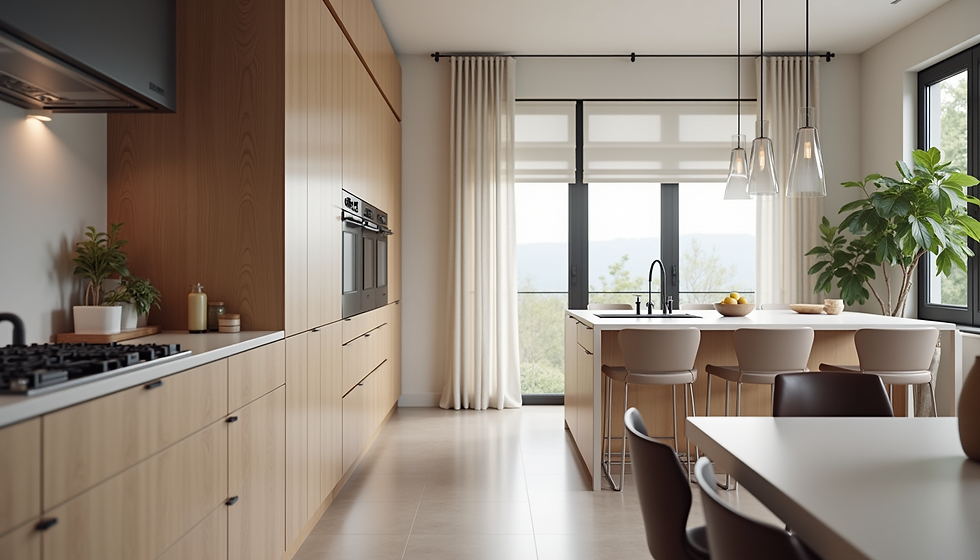
A kitchen renovation is one of the most impactful investments a homeowner can make. It influences not only the appearance of a home, but also its functionality, daily efficiency, and long-term value. In a market like Edmonton, timing and planning play a critical role in determining how successful and cost-effective that investment will be.
Many homeowners begin thinking about a new kitchen only when visible wear appears. However, the decision to renovate should be driven as much by functionality and lifestyle needs as by aesthetics. Understanding when to start, what type of kitchen to choose, and whether to reface or remodel can significantly improve both the outcome and the return on investment.
When Should You Start Planning a Kitchen Renovation?
The most effective time to begin planning a kitchen renovation in Edmonton is typically in late winter or early spring. This allows sufficient time for design development, material selection, and scheduling before the peak construction season begins.
In practice, there is often a gap of two to three months between initial consultation and the start of construction. This period is necessary to finalize layouts, secure materials, and coordinate trades. Homeowners who delay planning until late spring or summer frequently encounter limited contractor availability, longer timelines, and higher project pressure.
From a construction perspective, summer remains the most efficient season for renovations. Warmer weather improves logistics, reduces delays in material delivery, and allows projects to proceed without interruption. As a result, homeowners who plan early are more likely to secure optimal timelines and smoother execution.
Winter renovations are also possible and can offer certain advantages, including greater contractor availability and, in some cases, reduced labour costs. However, these projects may face minor delays due to holidays, weather-related logistics, or supplier schedules.
How Do You Know It’s Time for a New Kitchen?
While visual updates often motivate homeowners, the underlying reason for most kitchen renovations is functional dissatisfaction. A kitchen that no longer supports daily routines can create friction in even the simplest tasks.
Common indicators that it may be time to renovate include poor workflow between cooking, cleaning, and storage areas, insufficient storage capacity, and aging cabinetry or hardware that no longer performs reliably. In many cases, the layout itself is the primary issue rather than the finishes.
Industry data suggests that kitchens are typically updated every 10 to 15 years. However, functional limitations often prompt earlier renovations, particularly in households where needs have evolved over time. Families grow, lifestyles change, and kitchens that once worked efficiently may no longer meet current demands.
Is a Custom Kitchen Better Than a Standard Kitchen?
The distinction between a standard kitchen and a custom kitchen is not simply a matter of cost or aesthetics. It is fundamentally about how the space is designed and how it functions over time.
Standard kitchens are typically based on predefined layouts and modular systems. They are efficient to install and can be cost-effective, but they often require homeowners to adapt their habits to the space.
Custom kitchens, by contrast, are designed around the homeowner. Every dimension, storage solution, and workflow consideration is tailored to the specific needs of the household. This level of customization allows for better space utilization, improved ergonomics, and a more seamless daily experience.
One of the most overlooked aspects of kitchen design is movement. A well-designed custom kitchen reduces unnecessary steps, improves accessibility, and ensures that frequently used items are positioned logically. These details are not always visible, but they significantly impact long-term satisfaction.
For homeowners who intend to stay in their property long-term, a custom kitchen often represents a more strategic investment. It prioritizes functionality, durability, and adaptability, rather than relying solely on visual appeal.
Refacing vs. Remodeling: Which Option Is Right?
Not every kitchen requires a full renovation. In some cases, refacing may provide a practical and cost-effective alternative.
Kitchen refacing involves updating the exterior components of existing cabinetry, such as doors, finishes, and hardware, while retaining the underlying structure. This approach is best suited for kitchens where the layout is already functional and the cabinet boxes remain in good condition. Refacing can typically be completed within a few days and involves minimal disruption to the home.
Remodeling, on the other hand, involves a more comprehensive transformation. It may include reconfiguring the layout, replacing cabinetry, and upgrading electrical and plumbing systems. This approach is necessary when the existing kitchen no longer supports the homeowner’s needs or when structural changes are required.
The key distinction lies in the problem being addressed. Refacing improves the visual appearance of a kitchen, while remodeling improves its functionality. If the primary concern is aesthetic, refacing may be sufficient. If the issue is related to layout or usability, a full remodel is the more appropriate solution.
Cost Considerations and Return on Investment
Kitchen renovation costs in Edmonton can vary significantly depending on the scope of work. Mid-range renovations typically fall between $20,000 and $50,000, while fully customized kitchens can exceed $75,000.
Cabinetry is often the largest cost component, accounting for approximately 30% to 40% of the total budget. Additional factors such as material quality, layout complexity, and labour requirements also influence overall costs.
From an investment perspective, kitchen renovations consistently rank among the highest-return home improvements. Industry estimates suggest a return on investment between 60% and 80%, depending on the quality of execution and current market conditions.
However, the true value of a kitchen renovation extends beyond resale. A well-designed kitchen improves daily efficiency, enhances comfort, and reduces long-term maintenance costs.
What Homeowners Value Most
While design and materials are important, customer feedback consistently highlights other factors as equally critical. Homeowners place a high value on clear communication, attention to detail, and the ability to manage complex decisions throughout the process.
Precision in measurement and installation is another recurring theme in client experiences. Even minor inconsistencies can affect the overall performance of a kitchen, making craftsmanship a key differentiator.
Ultimately, the renovation process itself plays a significant role in overall satisfaction. A well-managed project with transparent communication and reliable timelines often has as much impact as the final result.
Frequently Asked Questions
When should I start planning a kitchen renovation in Edmonton?
It is advisable to begin planning at least two to three months before your desired construction start date, ideally in late winter or early spring.
What is the best season for kitchen renovations in Alberta?
Spring and summer are generally the most efficient seasons due to favourable weather and smoother project logistics, although winter can offer scheduling advantages.
Is a custom kitchen worth the investment?
A custom kitchen is typically worth the investment for homeowners seeking improved functionality, optimized layout, and long-term usability tailored to their lifestyle.
How long does a kitchen renovation take?
Refacing projects can often be completed within a few days, while full kitchen remodels typically take between two and six months, depending on complexity.
What is more cost-effective: refacing or remodeling?
Refacing is more cost-effective when the existing layout is functional, while remodeling is necessary for addressing structural or workflow issues.
Does a kitchen renovation increase home value?
Yes, kitchen renovations are among the highest-return home improvements, often delivering a return on investment between 60% and 80%.
Final Thoughts
A successful kitchen renovation begins well before construction. It requires thoughtful planning, a clear understanding of your needs, and the right strategic approach to design.
Whether you choose to reface or fully remodel, the most important decision is not the material or finish. It is how well the space will function once the project is complete.
In the long term, the kitchens that perform best are not necessarily the most expensive. They are the ones designed with intention, precision, and a clear understanding of how they will be used every day.


